
Why Most Weight Loss Advice Fails Obese People
- NutriWave Team

- Nov 10
- 4 min read
Have you ever wondered why traditional weight loss advice just doesn't seem to work for people dealing with obesity? You're not alone! The truth is shocking – and it's time someone talked about it honestly.
Here's the reality that might blow your mind: 90-95% of obese people do not achieve long-term weight loss with standard diet and exercise advice alone! That's not a small failure rate – that's almost everyone!
The Numbers Don't Lie!
Let's get real about what the research actually shows. Ready for some eye-opening statistics?
For obese women, the annual probability of reaching a normal body weight is only 1 in 124. For men? Even worse at 1 in 210! And if you're dealing with severe obesity (BMI over 40), men have just a 1 in 1,290 chance of reaching a healthy weight.
These aren't made-up numbers! This is what happens in the real world when people follow conventional weight loss advice.

Your Body is Fighting Against You (And It's Not Your Fault!)
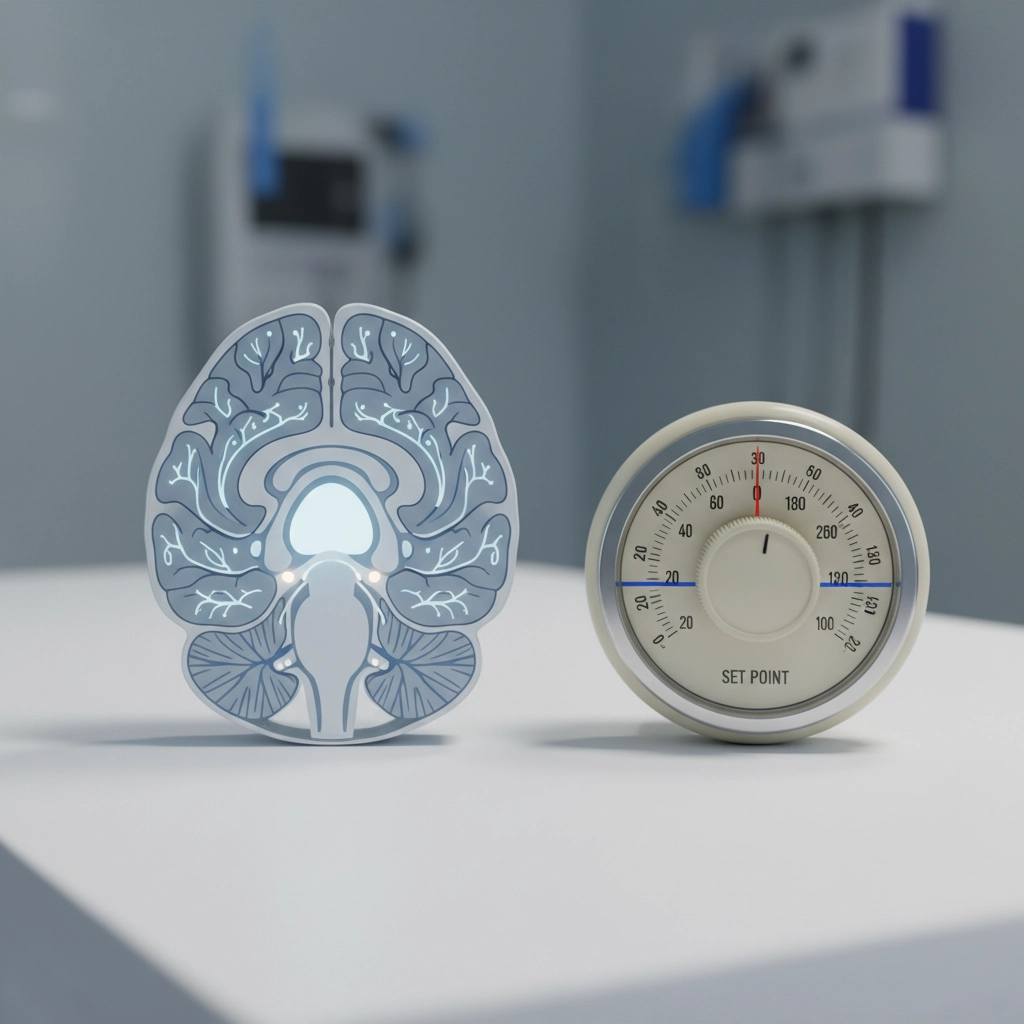
Here's something most weight loss "experts" won't tell you: your body has a biological set point that it desperately wants to defend! Think of it like a thermostat in your house.
When you become obese and maintain that weight for months or years, your body literally resets its internal thermostat to that higher weight. Your metabolism, hormones, and hunger signals all adjust to protect what your body now considers "normal."
So when you start dieting? Your body freaks out! It thinks you're starving and immediately:
Slows down your metabolism
Increases hunger hormones
Decreases satiety signals
Makes you crave high-calorie foods
This isn't weakness or lack of willpower – this is biology working exactly as it was designed to!
The Cruel Reality of Weight Regain
Even when people successfully lose weight initially, keeping it off becomes a nightmare! Are you ready for more shocking statistics?
53% of people regain their lost weight within just 2 years. By 5 years? That number jumps to a devastating 78%!
This isn't because people "give up" or "get lazy." The regain happens because of long-term hormonal changes that occur after weight loss. Your body literally fights to get back to its previous weight!
Why "Eat Less, Move More" Doesn't Work
You've heard it a million times: "Just eat less and move more!" Sounds simple, right? Wrong!
This oversimplified advice completely ignores the complex biological reality of obesity. Here's why it fails so spectacularly:
Your hormones work against you! Leptin (your "fullness" hormone) drops dramatically after weight loss, making you feel hungry all the time. Ghrelin (your "hunger" hormone) increases, making food cravings intense and persistent.
Your metabolism adapts downward! Your body becomes incredibly efficient at using fewer calories, making it harder and harder to maintain weight loss over time.

The Individual Variation Problem
Here's another truth bomb: there's no one-size-fits-all solution! What works for your friend might be completely useless for you.
Different factors predict success for different people:
Age and physical activity level
Blood leptin levels
Baseline blood pressure
Metabolic markers
Genetic factors
The only consistent predictor of weight loss success? Actually completing the intervention program! But even then, completion only accounts for 20-30% of the variance in outcomes.
Beyond Willpower: The Real Barriers
Stop blaming yourself for "lacking willpower!" The real barriers to sustained weight loss include:
Physical barriers:
Chronic pain from excess weight
Joint problems that limit exercise
Sleep apnea affecting energy levels
Practical barriers:
Time constraints with work and family
Financial limitations for healthy food
Lack of support systems
Biological barriers:
Hormonal imbalances
Insulin resistance
Thyroid dysfunction

Current Healthcare is Failing You!
Let's be brutally honest: most healthcare approaches to obesity are inadequate! Primary care weight loss strategies have abysmal success rates because they don't address the underlying biological mechanisms.
Your doctor telling you to "just eat less" is like telling someone with diabetes to "just make more insulin." It completely misses the biological complexity of the problem!
The Metabolism Myth Buster
Think your metabolism will bounce back after weight loss? Think again! Studies show that people who lose significant weight often have metabolic rates that remain 200-500 calories lower than expected for their new body size.
This means if you lose 50 pounds, you might need to eat 300-400 fewer calories per day than someone who naturally weighs the same as your new weight! That's like skipping an entire meal every single day for the rest of your life!

The Hormonal Chaos After Weight Loss
After significant weight loss, your body unleashes a hormonal storm designed to get you back to your previous weight:
Leptin drops by 50% or more
Ghrelin increases significantly
Thyroid hormones decrease
Cortisol levels may increase
Growth hormone patterns change
These changes can persist for years after weight loss, making maintenance feel like swimming upstream constantly!
What This Means for You
Does this mean weight loss is impossible? Absolutely not! But it means you need to understand what you're up against.
Successful long-term weight management requires:
Understanding your biological reality
Working with your hormones, not against them
Having realistic expectations
Getting proper support and guidance
Addressing underlying metabolic issues
The Bottom Line
Traditional weight loss advice fails because it ignores the biological complexity of obesity! Your body isn't broken – it's doing exactly what evolution programmed it to do.
The solution isn't willpower or "trying harder." The solution is understanding your biology and working with it intelligently!
You deserve better than outdated advice that sets you up for failure. You deserve strategies that acknowledge the real biological challenges you're facing!
Ready to finally understand what your body needs? It's time to move beyond the failed approaches of the past and embrace solutions that actually work with your biology, not against it!
Comments